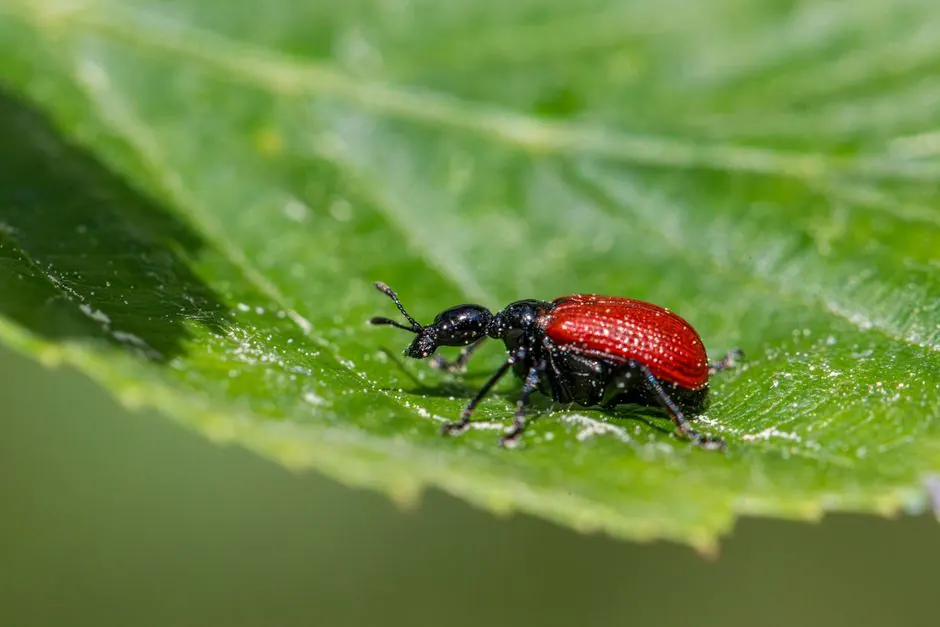
Tree pests can pose a significant threat to the health of your trees, especially in areas like Grand Prairie, Texas. Understanding common tree pests in grand prairie and how to manage them effectively is crucial for maintaining tree health. This article will explore various pests, their identification, and management strategies to help you protect your trees.
Introduction to common tree pests
Tree pests are insects or organisms that can cause harm to trees by feeding on their leaves, bark, or roots. In Grand Prairie, the warm climate and diverse tree species create a conducive environment for various pests. Recognizing these pests early can prevent extensive damage and promote healthy tree growth.
Identifying tree pests in grand prairie
Identifying tree pests in grand prairie involves observing the signs of infestation. Here are some common indicators:
- Discoloration or wilting of leaves
- Visible holes in leaves or bark
- Sticky residue or honeydew on leaves
- Presence of webs or nests
Common pests include aphids, spider mites, and the infamous oak wilt fungus. Each pest has unique characteristics that can aid in identification. For instance, aphids are small, soft-bodied insects that cluster on the undersides of leaves, while spider mites produce fine webbing.
Common tree pests affecting trees in grand prairie
Several pests are particularly notorious in Grand Prairie:
- Aphids: These small insects suck sap from trees, leading to leaf curling and stunted growth.
- Spider Mites: These pests thrive in hot, dry conditions and can cause significant damage by sucking the chlorophyll from leaves.
- Scale Insects: Scale can appear as small bumps on branches and leaves, which can weaken the tree by draining its nutrients.
- Oak Wilt: A fungal disease that affects oak trees, causing rapid wilting and death.
Understanding how to control tree pests in grand prairie is essential for maintaining the health of your trees. Each pest requires different management strategies, which we will explore in the next section.
Best practices for managing tree pests in grand prairie
Effective tree pest management in grand prairie TX involves a combination of prevention, monitoring, and treatment:
- Regular Inspections: Check your trees regularly for signs of pests. Early detection is key.
- Natural Predators: Encourage beneficial insects like ladybugs that feed on aphids.
- Proper Watering: Avoid over or under-watering, as stressed trees are more susceptible to pests.
- Use of Insecticidal Soap: For minor infestations, insecticidal soap can be effective against soft-bodied insects.
- Professional Treatments: For severe infestations, consider professional tree disease and pest management grand prairie TX services.
Implementing these best practices can significantly reduce the risk of pest infestations and promote tree health care for pest issues grand prairie.
What to watch out for
When managing tree pests, be mindful of common mistakes that can worsen the situation:
- Ignoring Early Signs: Delaying action can lead to severe damage.
- Overusing Chemicals: Excessive pesticide use can harm beneficial insects and lead to resistant pest populations.
- Neglecting Tree Health: Healthy trees are more resilient to pest attacks.
By avoiding these pitfalls, you can enhance your pest management efforts.
When to call a professional
If you encounter a severe pest problem that you cannot manage effectively, it may be time to call in the experts. Professional services can provide comprehensive assessments and treatments tailored to your specific situation. At Tree disease and pest management grand prairie TX, we specialize in identifying and treating pest issues to restore your trees' health.
Frequently Asked Questions
What are common tree pests in grand prairie?
Common tree pests in Grand Prairie include aphids, spider mites, scale insects, and oak wilt. Each of these pests can cause significant damage if not addressed promptly.
How can I manage tree pests effectively in grand prairie?
Effective management involves regular inspections, encouraging natural predators, proper watering, and using insecticidal soaps as needed. For severe infestations, consider professional help.
What should I do if I find pests on my trees in grand prairie?
If you find pests, assess the severity of the infestation. For minor issues, you may treat them with insecticidal soap. For larger infestations, contact a professional for assistance.
How can I prevent tree pests in grand prairie?
Preventing tree pests involves maintaining tree health through proper watering, regular inspections, and encouraging beneficial insects. Healthy trees are less susceptible to infestations.
What are the signs of tree pest infestation?
Signs include wilting leaves, holes in foliage, sticky residue, and visible pests on the tree. Regular monitoring can help catch infestations early.
Get help with Tree pruning in grand prairie
For expert assistance with tree pruning and pest management in Grand Prairie, contact us at Tree pruning Experts. We are dedicated to ensuring your trees remain healthy and vibrant. Call us at 33333333333333.