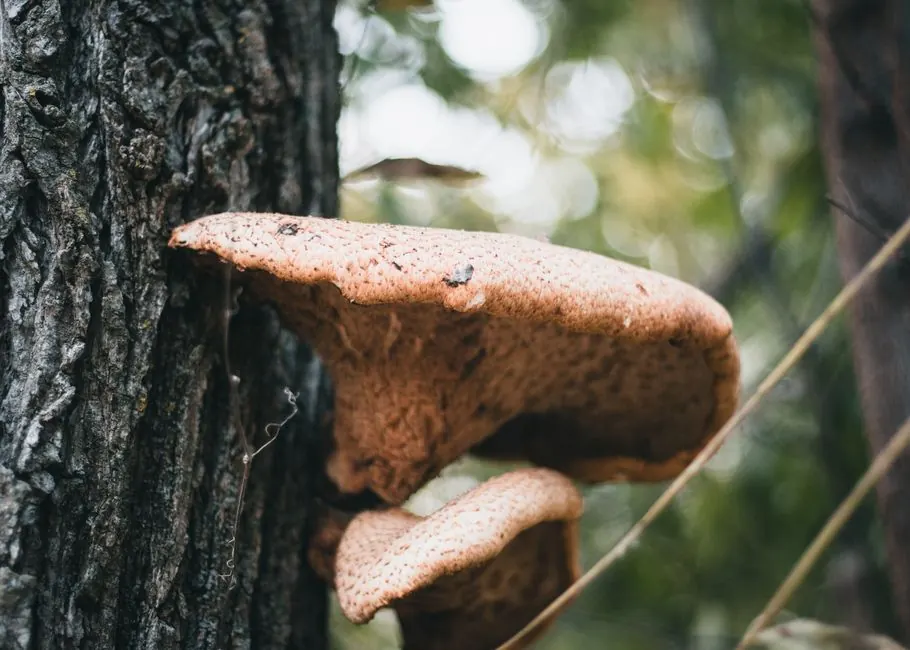
Identifying tree diseases in your backyard is crucial for maintaining the health and beauty of your landscape. With various environmental factors and pests affecting trees, knowing how to spot these issues can save your trees from irreversible damage. This article will guide you through the process of how to identify tree diseases in your backyard, looking at common signs, specific diseases prevalent in Grand Prairie, and effective management strategies.
Understanding Tree Diseases
Tree diseases can arise from several sources, including fungi, bacteria, and viruses. They can also be exacerbated by environmental stressors such as drought, poor soil conditions, and improper pruning. Understanding the underlying causes of tree health issues in your backyard is essential for effective management.
In Grand Prairie, the climate can contribute to specific tree vulnerabilities. For instance, the hot summers and occasional droughts can weaken trees, making them more susceptible to diseases. Regular monitoring and care are vital for preventing these issues.
Signs of Tree Disease
Recognizing the signs of tree disease early can make a significant difference in treatment outcomes. Here are some common indicators:
- Discoloration of leaves: Yellowing or browning leaves can indicate stress or disease.
- Wilting or drooping: Trees that appear limp may be suffering from root rot or other issues.
- Fungal growth: Mushrooms or other fungi growing on the bark or around the roots may signify decay.
- Cracks or splits in bark: Physical damage can expose trees to pathogens.
- Early leaf drop: If leaves are falling prematurely, it may indicate a health problem.
By familiarizing yourself with these symptoms, you can take proactive steps to address any problems before they escalate.
Common Tree Diseases in Grand Prairie
In Grand Prairie, several tree diseases are particularly prevalent. Understanding these can help you identify potential threats to your trees:
- Oak Wilt: A serious fungal disease affecting oak trees, leading to rapid leaf discoloration and death.
- Leaf Spot: Various fungi cause spots on leaves, which can lead to defoliation.
- Root Rot: Often caused by overwatering or poor drainage, this disease affects the roots and can kill the tree.
- Powdery Mildew: A fungal disease that appears as a white powdery substance on leaves, often seen in humid conditions.
Being aware of these diseases can help you monitor your trees more effectively and take action when necessary.
How to Check Trees for Diseases
To effectively check your trees for diseases, follow these steps:
- Examine leaves for discoloration or spots.
- Inspect the bark for cracks, peeling, or fungal growth.
- Check the root area for signs of decay or unusual growth.
- Look for any unusual insect activity that may indicate a problem.
- Monitor your trees regularly, especially during seasonal changes.
Regular inspections can help catch issues before they become severe, allowing for timely intervention.
Tree Disease Management Tips
Effective management of tree diseases involves a combination of preventive measures and treatment options:
- Proper Watering: Ensure trees receive adequate water, especially during dry spells.
- Soil Management: Test soil quality and amend as needed to promote healthy growth.
- Pruning: Regularly prune dead or diseased branches to improve air circulation and reduce disease spread.
- Fungicides: In some cases, applying fungicides can help treat fungal infections.
- Consulting Professionals: For severe cases, consider contacting experts for a detailed tree health assessment.
Implementing these strategies can significantly enhance your trees' resilience against diseases.
Common Mistakes to Avoid
When it comes to tree care, there are several common mistakes that homeowners often make:
- Ignoring early signs: Delaying action can lead to more severe problems.
- Overwatering: This can cause root rot and other issues.
- Poor pruning practices: Incorrect pruning can stress trees and make them vulnerable.
- Neglecting soil quality: Healthy soil is essential for tree health.
Avoiding these pitfalls can help maintain the health of your trees and prevent disease outbreaks.
When to Call a Professional
If you notice severe symptoms or are unsure about the health of your trees, it's wise to consult a professional. Tree pruning Experts can provide valuable assistance in diagnosing and treating tree diseases in Grand Prairie.
Frequently Asked Questions
What are common tree diseases to look for in Grand Prairie?
Common tree diseases in Grand Prairie include Oak Wilt, Leaf Spot, and Root Rot, each presenting unique symptoms that require careful observation.
How can I identify if my tree is diseased in Grand Prairie?
Look for signs such as leaf discoloration, wilting, fungal growth, and bark damage. Regular monitoring can help catch issues early.
What should I do if I find a tree disease in my backyard?
If you identify a tree disease, assess the severity of the symptoms and consider contacting a professional for a thorough evaluation and treatment options.
Can I treat tree diseases myself?
While some minor issues can be managed at home, severe diseases often require professional intervention to ensure proper treatment and care.
Get help with Tree pruning in Grand Prairie
For expert assistance in identifying and managing tree diseases in your backyard, contact Tree pruning Experts. We are here to help maintain the health of your trees.
Call us today at 33333333333333 for professional tree care services.